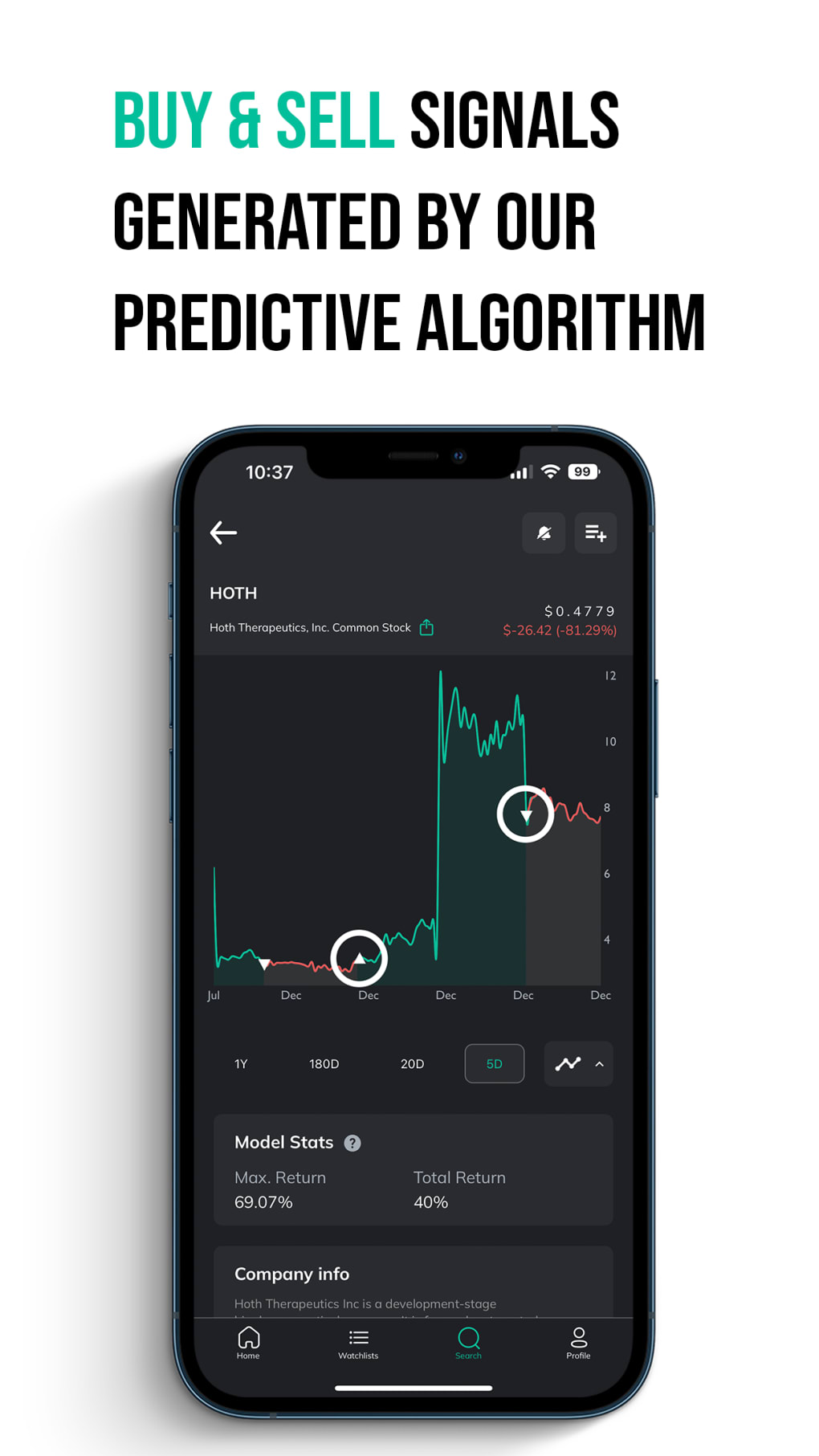
Analyzing the quality of data and sources utilized by AI-driven stock predictions as well as trading platforms is critical to ensure accurate and reliable information. Insufficient quality data can lead to inaccurate predictions and financial losses. This can lead to suspicion about the platform. Here are 10 best ways to judge the quality of data and its source:
1. Verify data source
Check the source of the data. Check to see if the platform is using reliable and well-known sources of data, such as Bloomberg, Reuters or Morningstar.
Transparency - The platform must be open about the sources of its data and update them regularly.
Beware of dependencies on a single source: A reliable platform often aggregate data across multiple sources in order to limit bias and errors.
2. Examine the freshness of data
Real-time as opposed to. delayed data: Determine whether the platform provides real-time information or delayed information. Real-time data is crucial for trading that is active. The delay data is enough for long-term analysis.
Update frequency: Check if the data has been changed.
Historical data accuracy - Ensure that all historical data is constant and do not have gaps or anomalies.
3. Evaluate Data Completeness
Find out if there is missing or incorrect data.
Coverage. Make sure your platform has a wide range of markets, stocks, and indices that are pertinent to your strategy of trading.
Corporate actions - Check if the platform account stock is split. Dividends. mergers.
4. Test Data Accuracy
Cross-verify your data: Check the data on your platform against other trustworthy sources.
Error detection: Check for outliers, erroneous prices, or mismatched financial metrics.
Backtesting. Use old data to test trading strategy to see whether it's in line with your expectations.
5. Examine the data's Granularity
The level of detail: Ensure that the platform has granular information including intraday price volumes bid-ask spreads, as well as order book depth.
Financial metrics: Check if the platform provides detailed financial statements (income statement or balance sheet, cash flow) and important ratios (P/E, P/B, ROE, etc. ).
6. Make sure that you are checking for data cleaning and Processing
Normalization of data is essential to ensure consistency.
Outlier handling (handling anomalies) Check that the platform handles outliers and anomalies.
Missing estimation of data: Ensure that the system relies on reliable methods to fill in the missing data.
7. Check for Data Consistency
Timezone alignment: Ensure all data is aligned to the same timezone, to prevent any discrepancies.
Format consistency: Make sure that the data is presented in the same format.
Cross-market compatibility: Ensure that data from different exchanges or markets is aligned.
8. Assess Data Relevance
Relevance to your strategy for trading Make sure the information you are using is compatible with your trading style (e.g. analytical techniques or qualitative modeling or fundamental analysis).
Features Selection: Find out whether the platform offers useful features, such as economic indicators, sentiment analysis and news information that will enhance the accuracy of your predictions.
Review Data Security Integrity
Data encryption - Make sure that your platform uses encryption to safeguard data during transmission and storage.
Tamper proofing: Make sure that the data on the platform isn't being manipulated.
Conformity: Ensure that the platform you are using is compliant with any data protection laws (e.g. GDPR or CCPA).
10. Test the platform's AI model transparency
Explainability: Ensure the platform offers insight on the way in which the AI model uses data to create predictions.
Examine for detection of bias. The platform should actively detect and correct any biases that might exist in the model or data.
Performance metrics: Determine the quality of the platform through analyzing its history, performance metrics as well as recall metrics (e.g. precision or accuracy).
Bonus Tips:
Reviews from users: Read the reviews of other users to get a feel of the quality and reliability of the data.
Trial period. You can use the trial period to test the features and data quality of your platform before you purchase.
Customer Support: Make sure that the platform offers an efficient support system for customers to help resolve issues with data.
Following these tips will enable you to assess the quality, source, and accuracy of AI-based stock prediction tools. Have a look at the top weblink on stock shares for blog recommendations including ai stock predictor, ai stocks to buy, best artificial intelligence stocks, best stocks for ai, learn how to invest in stocks, ai stock prediction, cheap ai stocks, ai stock forecast, stock trading software, learn stocks and more.

Top 10 Tips For Assessing Regulatory Compliance With Ai Stock Predicting/Analyzing Trading Platforms
Regulatory compliance is a critical factor when evaluating AI trading platforms for stock prediction or analysis. Compliance assures that a platform is in compliance to financial regulations and is operating within legal frameworks, and safeguarding user information. This minimizes the chance of financial penalties or legal issues. Here are 10 top ways to evaluate the regulatory compliance of such platforms:
1. Check your license and registration
Regulatory Authorities: Ensure that the platform registered with the appropriate regulatory authorities (e.g. SEC US, FCA UK and ASIC Australia) and has an appropriate license.
Verify the broker relationship If your platform is integrated with brokers or brokers, you need to make sure that these brokers are also licensed and regulated.
Public Records: Visit the official website of your regulatory agency for details on registration status as well as past violations and relevant information.
2. Assessment of Data Privacy Compliance
GDPR: If operating or serving users within the EU make sure the platform meets the requirements of the General Data Protection Regulation (GDPR).
CCPA: For users who reside in California ensure conformity to the California Consumer Privacy Act (CCPA).
Policies on handling data. Examine the platform's privacy policies and ensure that it clearly describes the manner in which user data is used to collect, share, and kept.
3. Evaluation of Anti-Money Laundering/AML Measures
AML Policies: Ensure that the platform you use has AML policies that are strong to identify and stop money laundering.
KYC procedures: Determine whether the platform is following Know Your Customer (KYC) procedures for verifying user identities.
Transparency monitoring Check if your platform monitors all transactions for suspicious activity and informs authorities.
4. Check for Compliance with Trading Regulations
Market manipulation: Be sure that the platform has measures in place to prevent any market manipulations, such as spoofing trading or wash trading.
Order types: Confirm that the platform is in compliance with the regulations for order types (e.g., no unlawful stop-loss hunting).
Best execution: Make sure to see if the website follows the best execution practices to ensure that trades will be executed at the cheapest price.
5. Cybersecurity Assessment
Data encryption: Ensure that the platform is secure for user data both in transit and when it's in storage by encrypting it.
Incident response: Verify that the platform has an incident response plan in place to deal with cyber-attacks or data breaches.
Certifications - See whether your platform holds any cybersecurity certifications.
6. Review Transparency and Disclosure
Disclosure of fees. Be sure that all fees and charges are clearly stated, as well as any hidden or additional costs.
Risk disclosure: Make sure the platform offers clear information on risk. This is particularly important for trading strategies that have high leverage or risks.
Performance reporting: Verify that the platform is honest and precise reports on the accuracy of its AI models.
7. Make sure you're in the compliance of international regulations
Cross-border Trading: If you're trading is international, you should make sure that the platform you use meets all requirements for regulatory compliance in every country.
Tax reporting: Determine the platform's tools or reports to allow users to adhere to tax laws.
Conformity with international sanctions: Make sure the platform adheres strictly to these regulations and doesn't permit trading with prohibited entities or countries.
8. Review Audit Trails and Record-Keeping
Transaction records: Ensure that the platform maintains precise records for purposes of regulatory and for audit.
Logs of user activity (logs): Check to see if the platform tracks the activities of users, such as logins and trades. Also, check if the account settings have changed.
Audit readiness: Make sure that the platform is able to provide all documentation and logs if an audit by a regulatory agency occurs.
9. Assess Compliance with AI-specific Regulations
Algorithmic Trading Rules: If your platform supports algorithmic trades, make sure it adheres to regulations like MiFID II (in Europe) or Reg SCI (in the U.S.).
Fairness and Bias: Ensure that the platform monitors biases and minimizes them in its AI models in order to guarantee fair trade.
Explainability - Ensure that the AI platform is able to provide clear and concise explanations regarding AI-driven predictions, decision-making, etc. as required by specific regulations.
10. Review Feedback from Users and Review Regulatory History
Reviewer feedback: Go through user feedback and then compare it with the platform's conformance to the regulations.
Regulatory history: Verify whether any violations of the regulations have been committed, as well as penalties and fines.
Third-party Audits: Ensure that the platform is subject to third-party audits to ensure that it is in compliance with all applicable regulations.
Bonus Tips
Legal consultation: Think about consulting an expert in the field of law to examine the platform's conformity to relevant rules.
Trial period: Test the platform free of charge or try the demo to test out its compliance features as well as the documentation.
Customer Support: Ensure that the platform provides customer support for any queries or issues related to compliance.
Following these tips can help you assess the regulatory compliance of an AI platforms for analyzing and predicting stocks. You can pick a system that is in compliance with legal frameworks while protecting your interests. Compliance does not just help minimize legal risks, it can also increase confidence in the platform. Take a look at the top rated my latest blog post on best ai stocks to buy now for more tips including stocks ai, ai options trading, stocks ai, ai investment tools, invest ai, chart analysis ai, free ai stock picker, ai stock prediction, chart analysis ai, ai tools for trading and more.